.png "iBOXED")
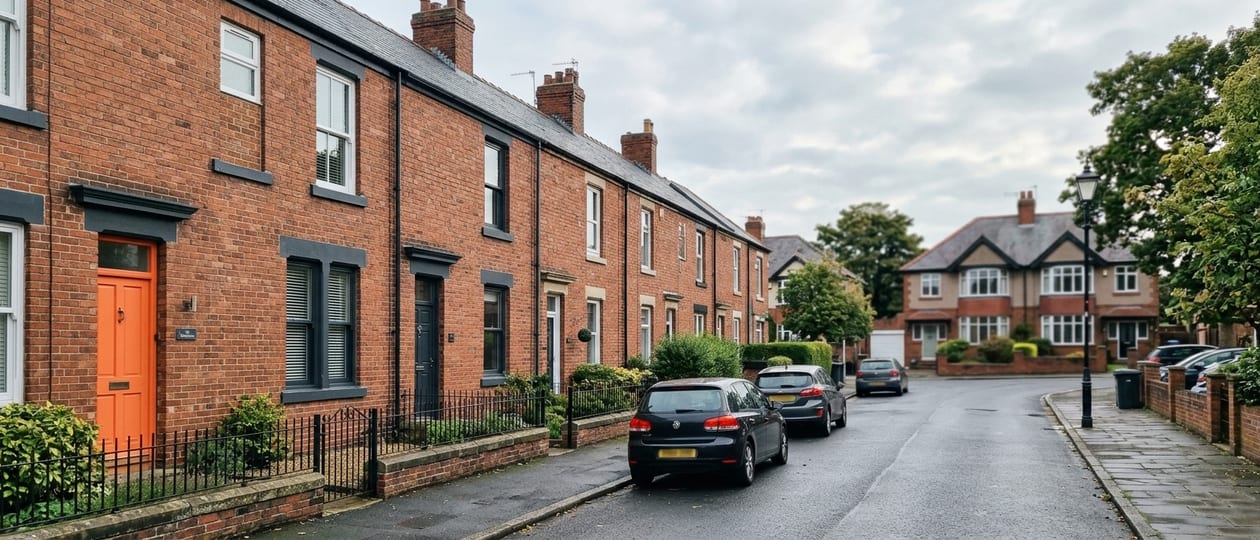
Running out of space is usually what pushes Teesside households up the property ladder. Before you call the estate agent, put a number on that next bedroom. It’s bigger than most people guess.
Here it is up front. Moving from a typical terraced house to a typical semi means finding roughly £42,000 more in Middlesbrough, £38,000 in Redcar and Cleveland, and £36,000 in Stockton-on-Tees, going by average prices in July 2026. That’s before stamp duty, fees or the removal van.
How much do houses cost across Teesside right now?
A typical terraced house in Teesside costs £111,000–£128,000 depending on the borough. A semi goes for £153,000–£164,000, a detached for £252,000–£276,000. Here’s how the averages break down, as of July 2026:
| Borough | Terraced | Semi-detached | Detached | Flat |
|---|---|---|---|---|
| Middlesbrough | £111,000 | £153,000 | £252,000 | £76,000 |
| Redcar and Cleveland | £119,000 | £157,000 | £254,000 | £80,000 |
| Stockton-on-Tees | £128,000 | £164,000 | £276,000 | £86,000 |
Source: UK House Price Index (HM Land Registry / ONS), July 2026. Average price by property type, rounded to the nearest £1,000; local streets vary widely.
Two things jump out of that table. The terraced-to-semi step is the one that stings: roughly a third more house money just to change property type. And if you’re eyeing a detached, the next rung is steeper still, £97,000–£112,000 on top of a semi in any of the three boroughs.
Borough averages hide how street-by-street this really is, though. Here’s every neighbourhood in the three boroughs, coloured by what homes there actually sold for in the year to June 2026:
The numbers behind this map
| Price band (median sale, 12 months to June 2026) | Neighbourhoods |
|---|---|
| Under £100,000 | 64 |
| £100,000 – £135,000 | 58 |
| £135,000 – £170,000 | 57 |
| £170,000 – £210,000 | 61 |
| £210,000 and above | 60 |
| Too few sales to say | 2 |
What does one more bedroom cost if you rent?
One more bedroom costs renters £114–£152 a month, depending on the borough and which step up you’re taking. That’s the picture as of August 2026.
Spread monthly it can sound manageable. Add it up, though, and one extra bedroom is £1,400–£1,800 a year. Worth being sure the room will earn its keep.
The hidden costs of moving up
The price gap is only the headline. Buying the next house also means stamp duty (the GOV.UK calculator gives your exact figure), agent and legal fees on the sale, a survey on the purchase, and removals.
New-builds have their own catch, and they are a big slice of the market here: between one in ten and one in seven Teesside sales since 2018, depending on the borough. You often inherit the modern-estate problem: smaller rooms, no loft to speak of, and nowhere for the lawnmower.
Is it the house that’s too small, or what’s in it?
An honest question to ask before a decision that starts at £36,000. Walk the house and sort what fills it into three piles: things you use monthly, things you use seasonally (Christmas kit, camping gear, the paddling pool), and things you’re storing out of indecision.
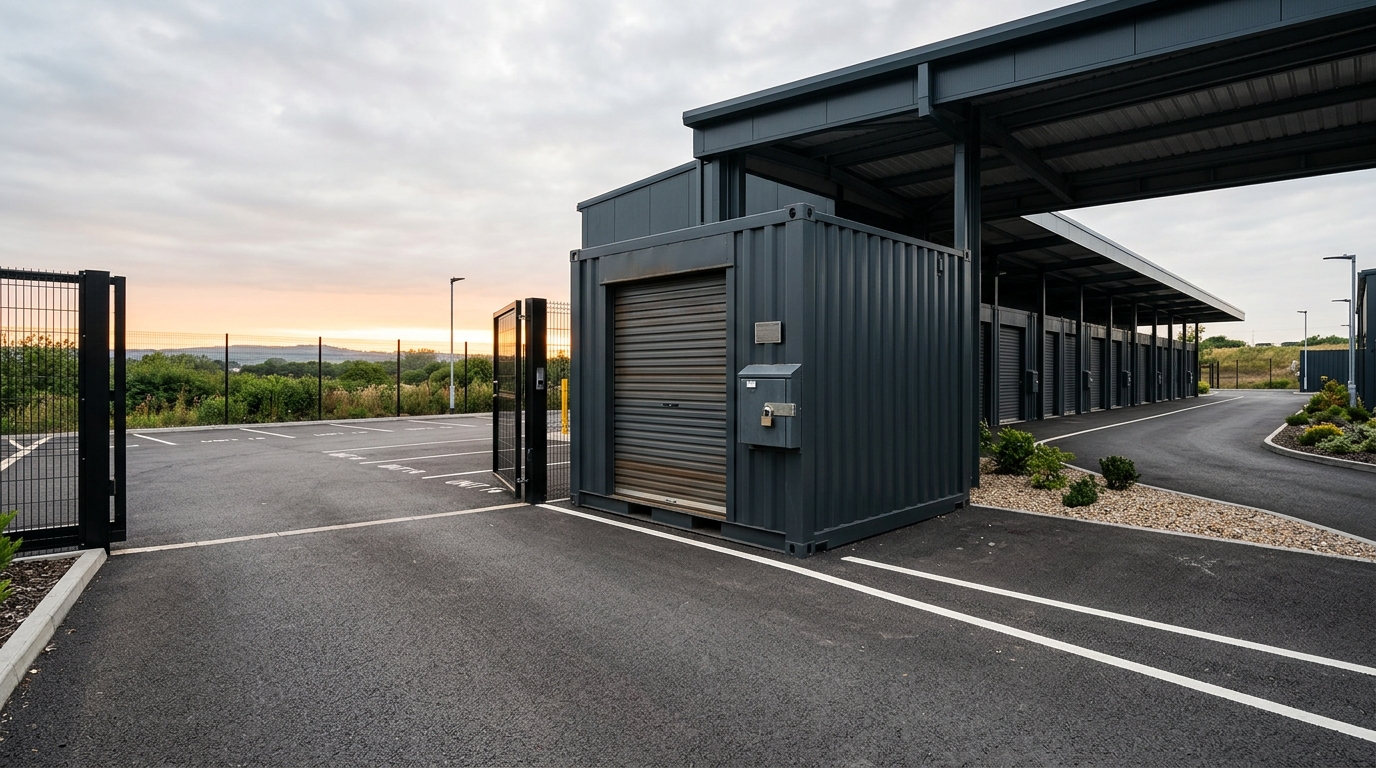
If the second and third piles are what’s crowding you out, you don’t have a bedroom problem. You have a storage problem, and those are priced very differently. Our guide to what storage actually costs in Teesside puts monthly numbers on it.
When moving up genuinely wins
If the household is growing, if you need a real office and both of you work from home, or if you’re buying anyway for schools or work: move, and enjoy it.
The point of this article isn’t that moving is wrong. It’s that “we need more space” has more than one price tag, and the £90-a-month version deserves a look before the £36,000 one. If you’re mid-move and the dates don’t line up, our Ingleby Barwick store sits handily between Stockton and Middlesbrough, just off the A19.